

The True Made in Italy

We manufacture in Italy in collaboration with selected local suppliers, many of whom have been our partners for years.
A supply chain built on trust that allows us to guarantee control, quality and reliability in every IRCcomponents product.
EXPRESS YOUR STYLE
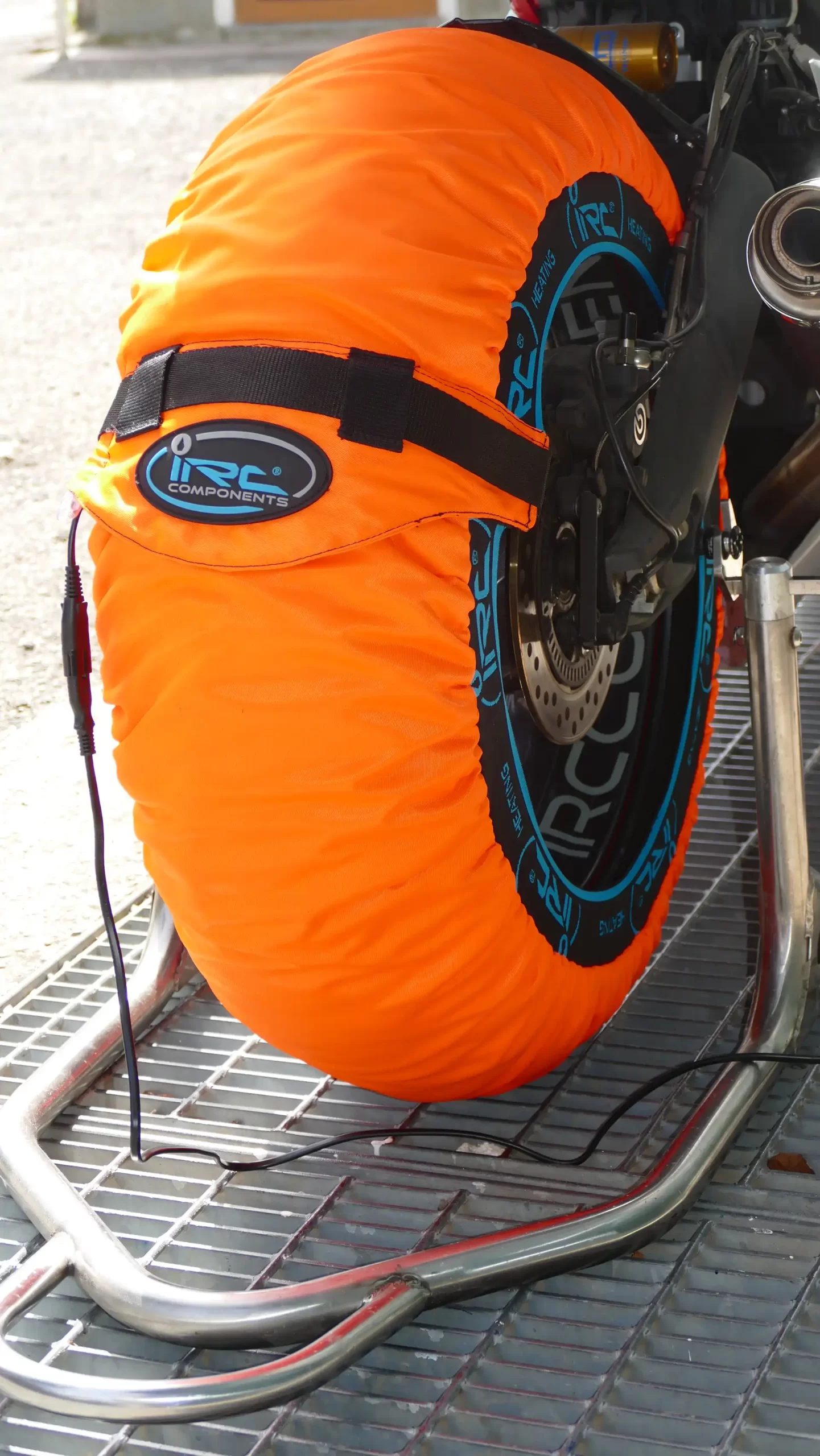
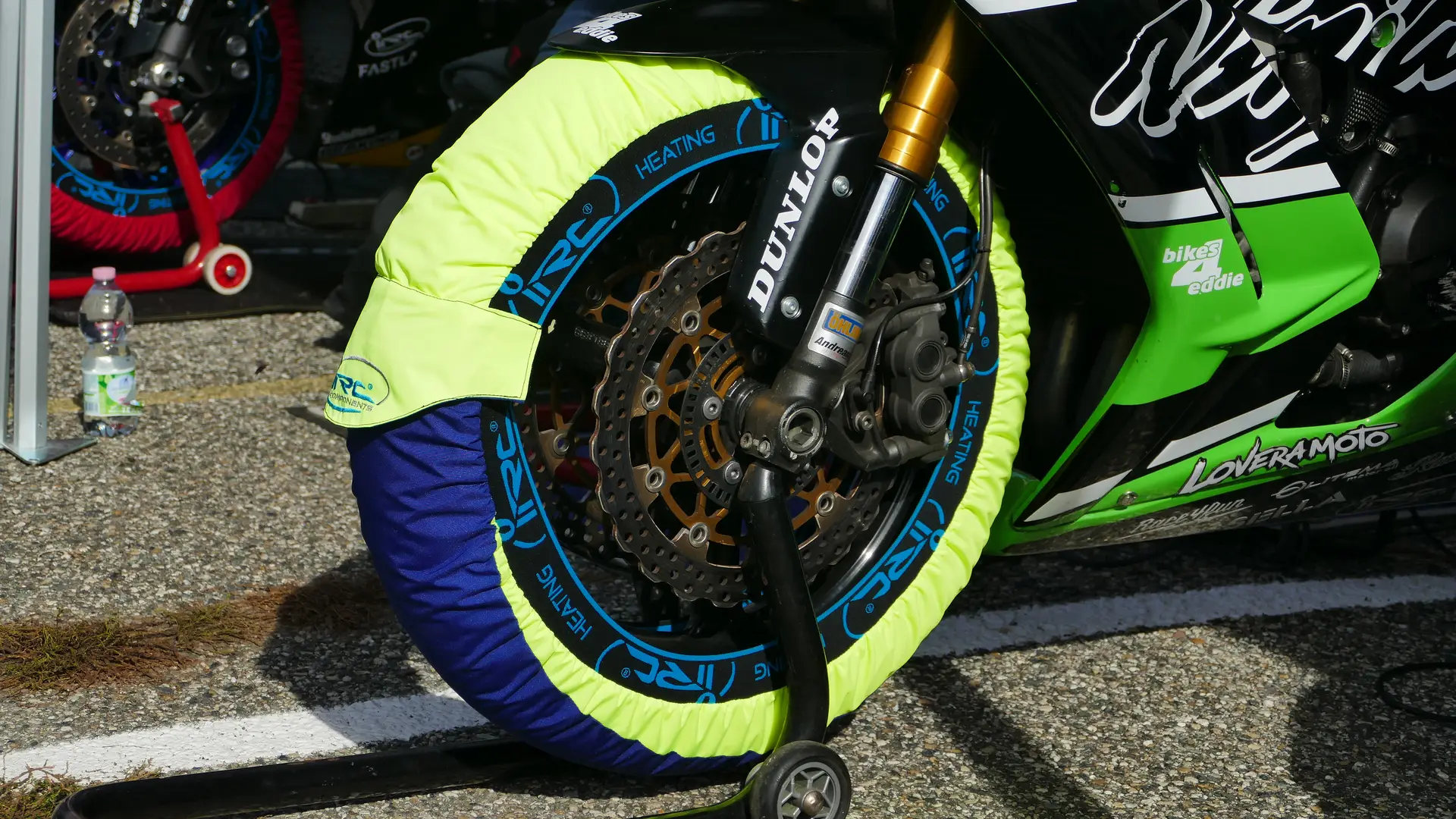
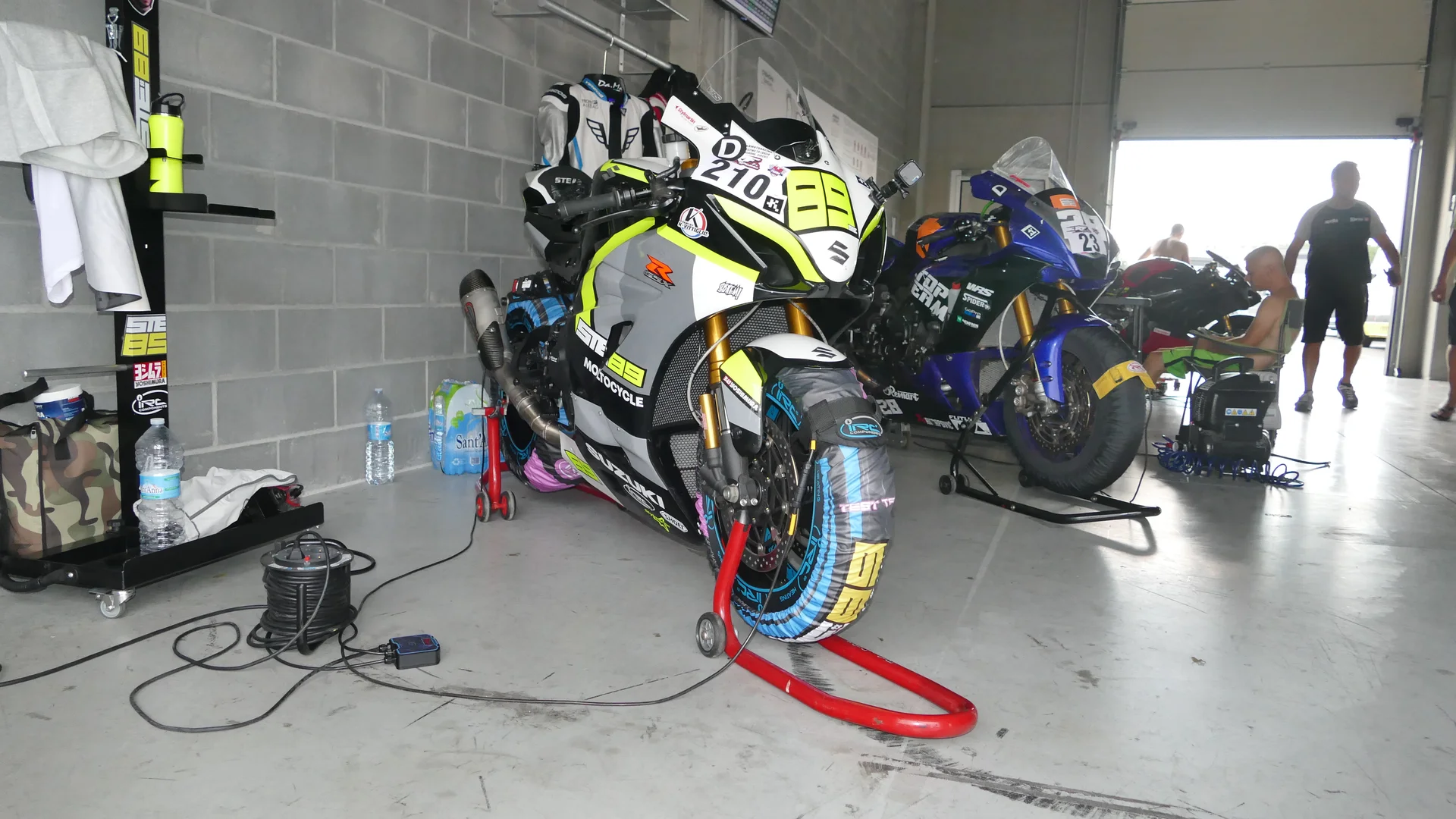
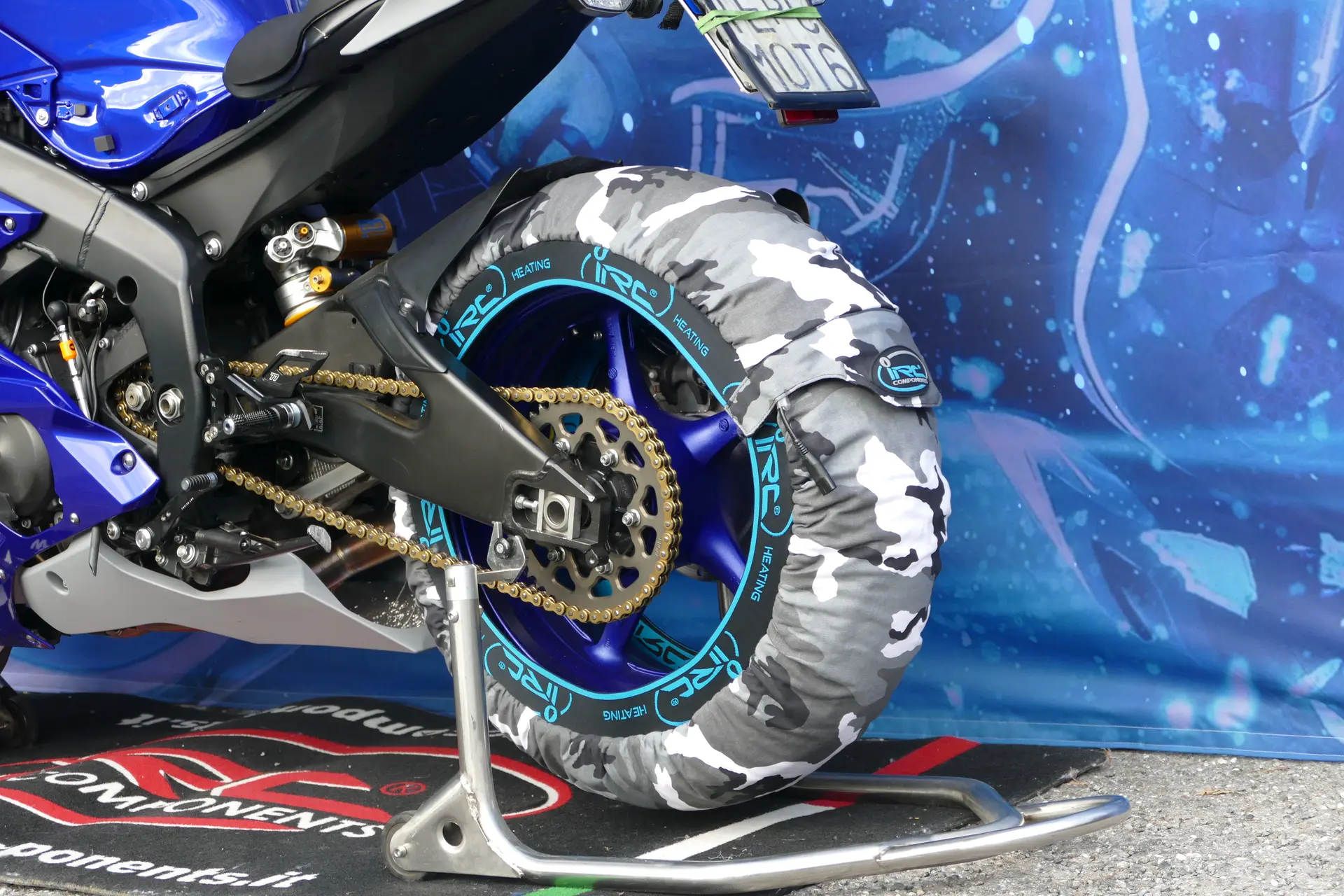
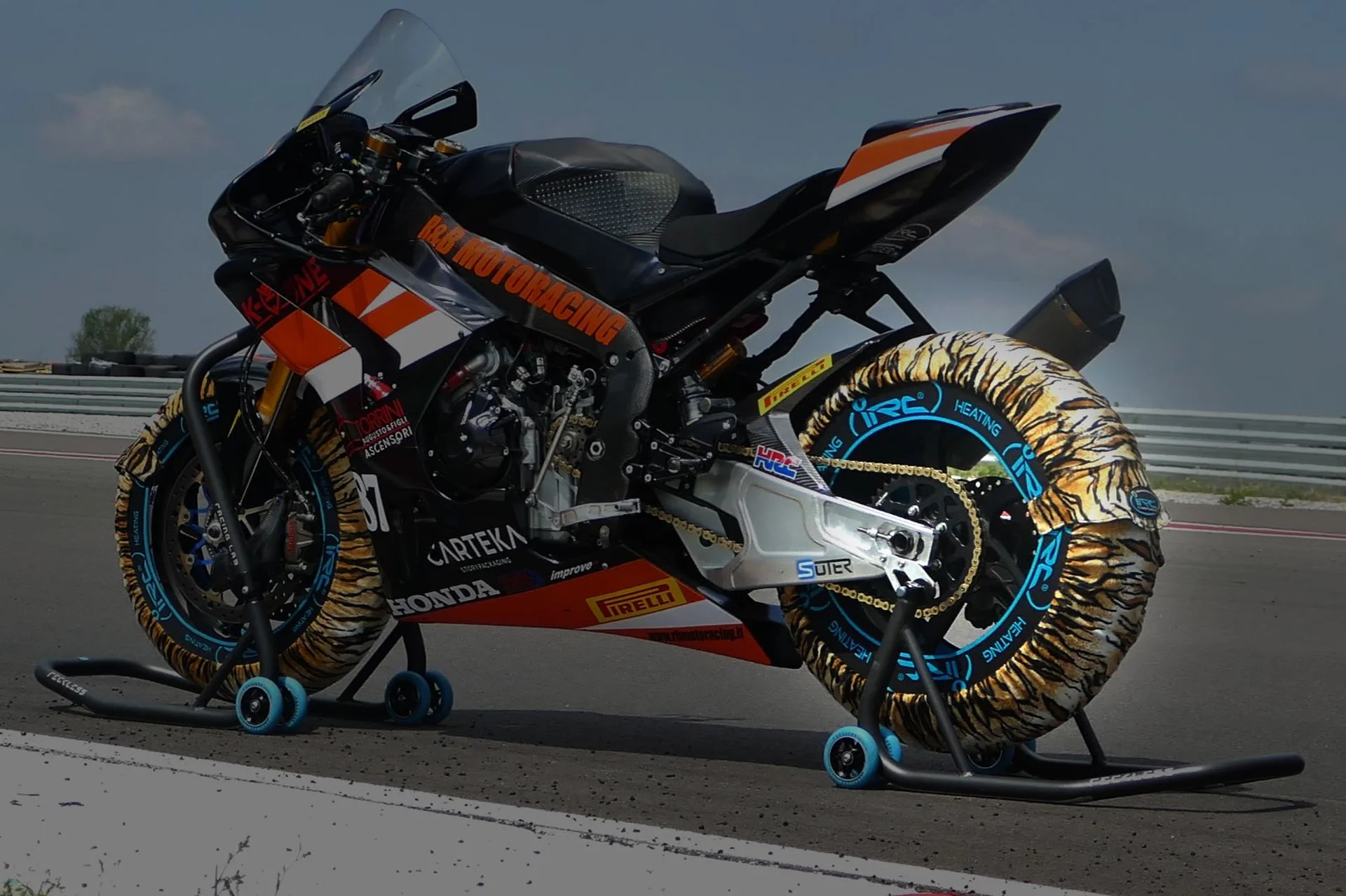
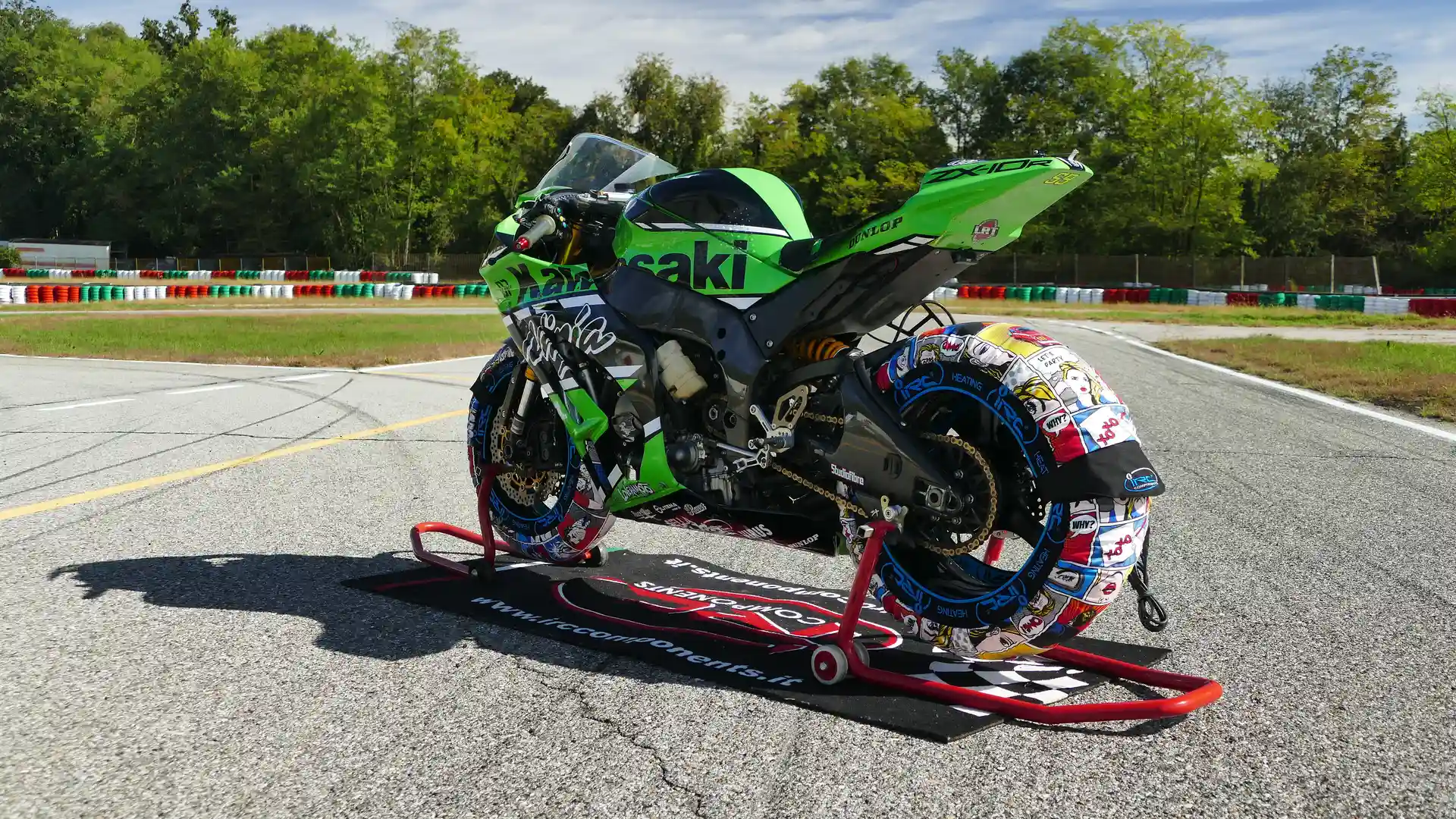
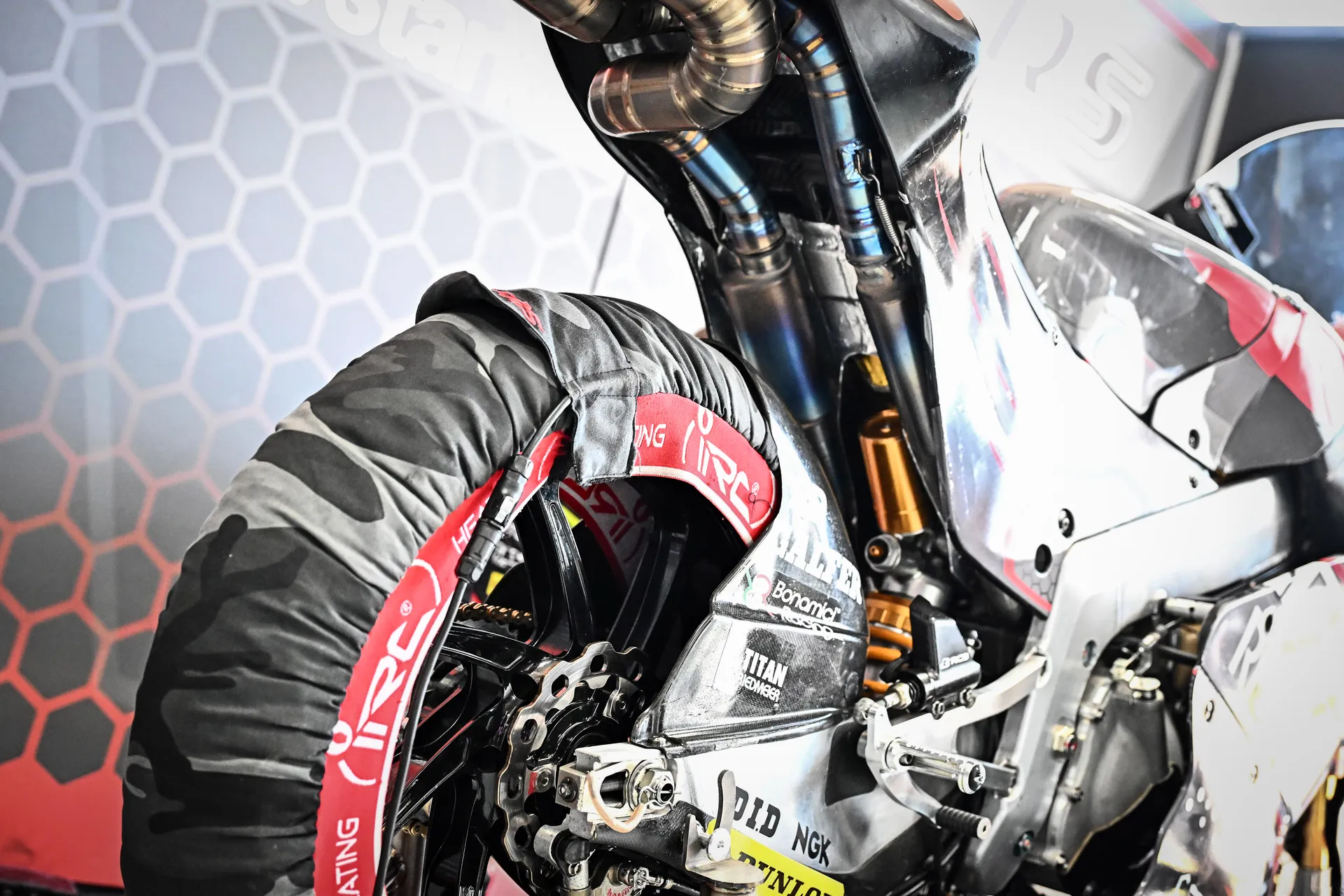
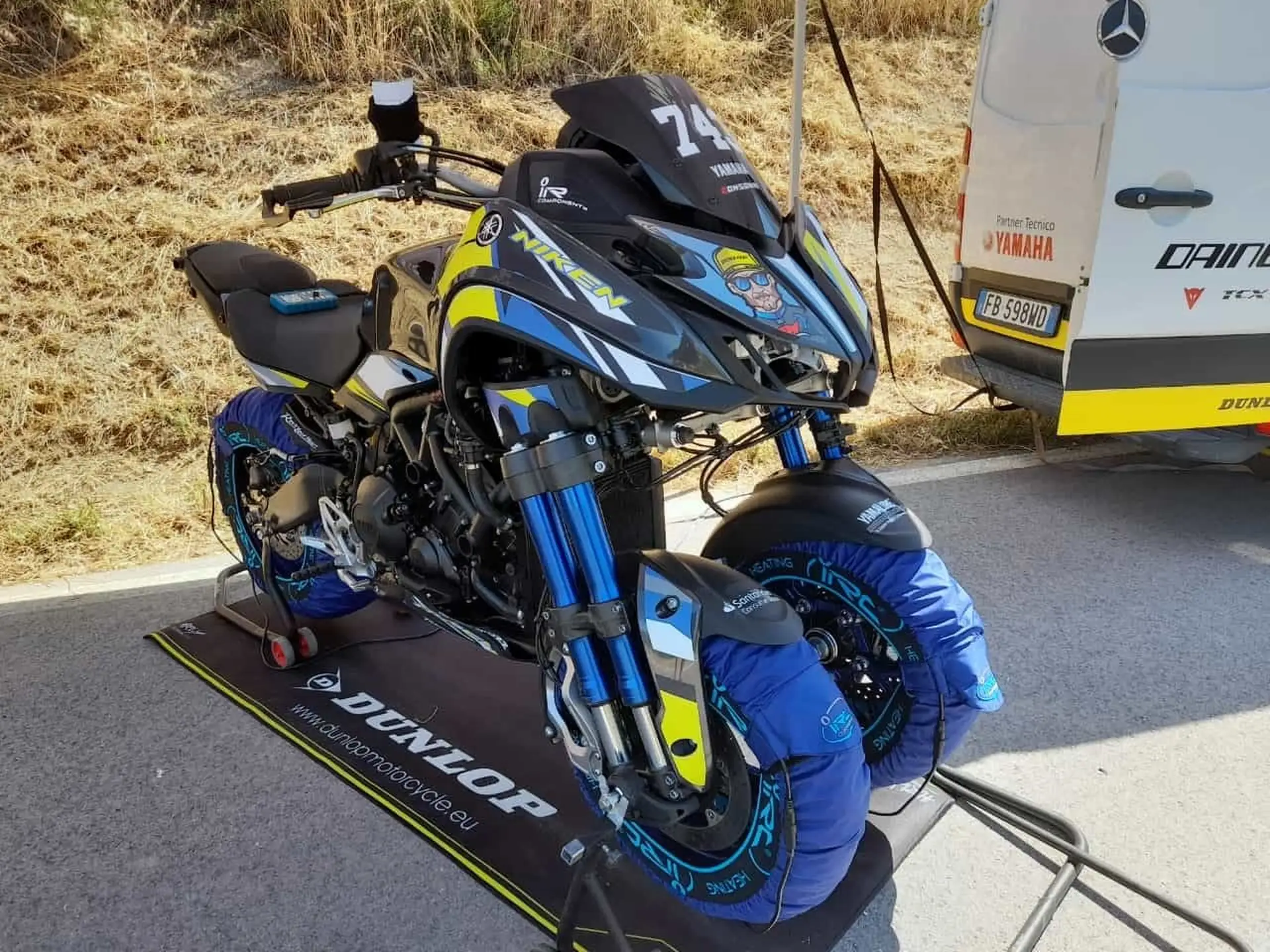
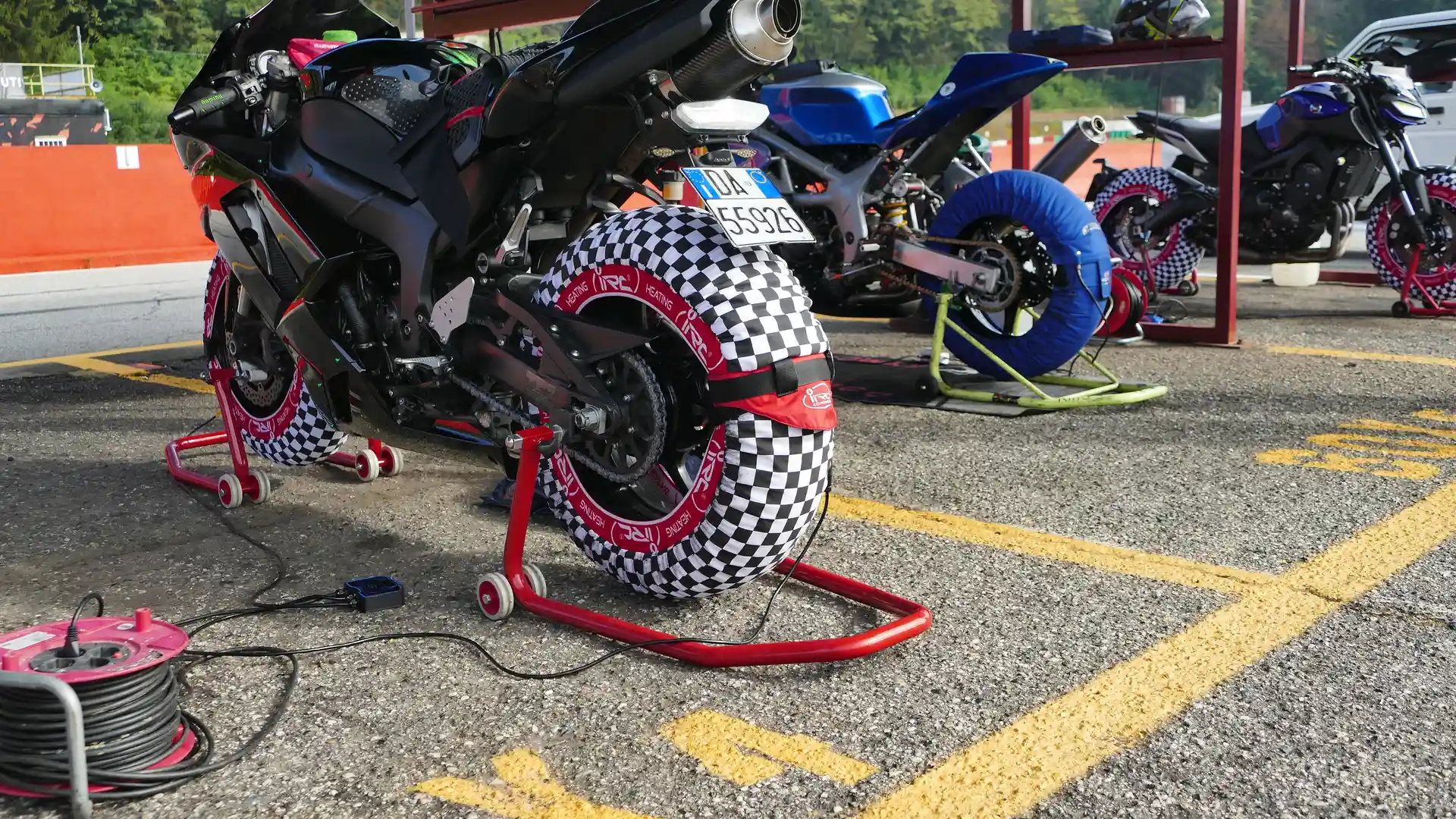
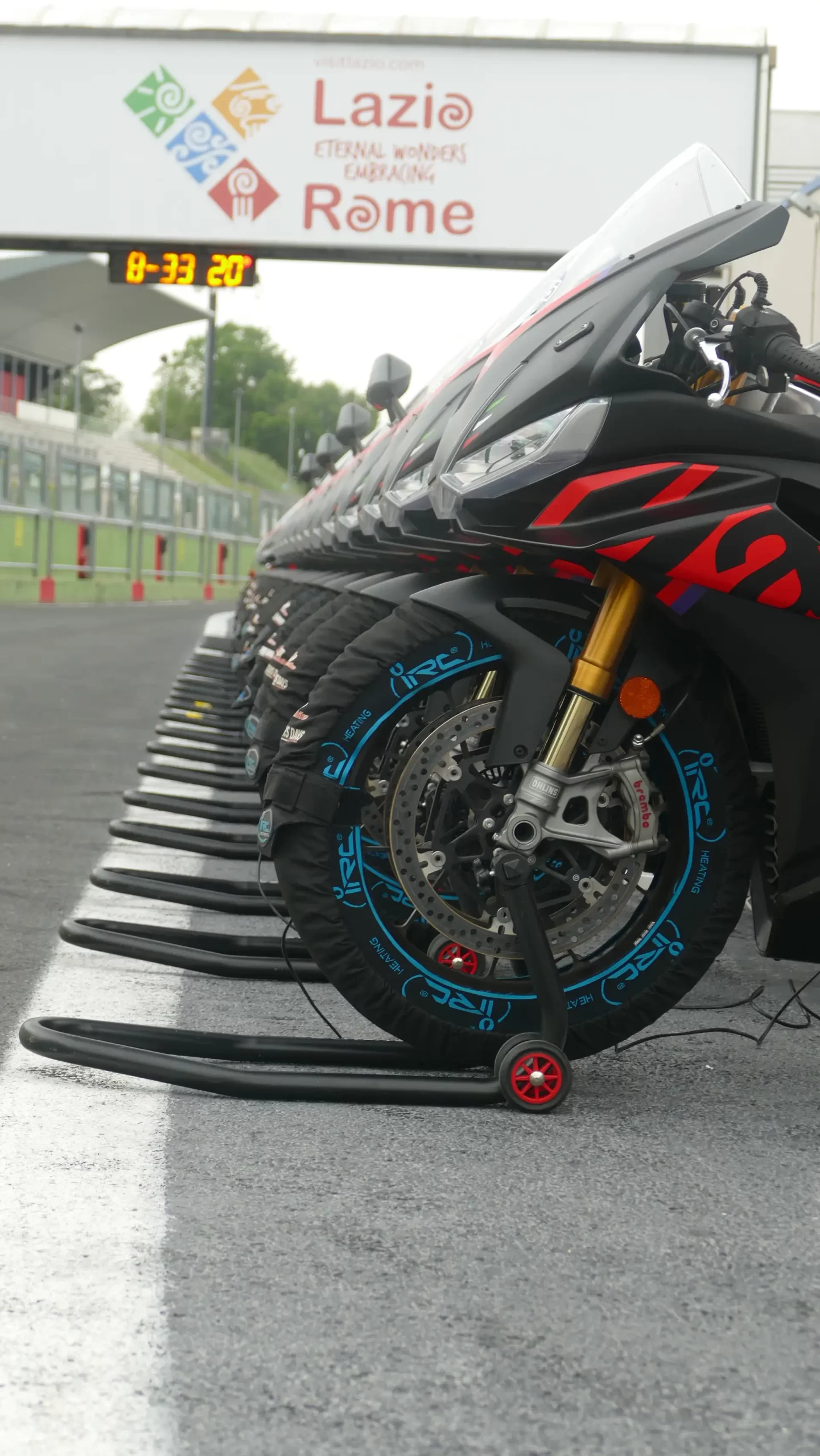
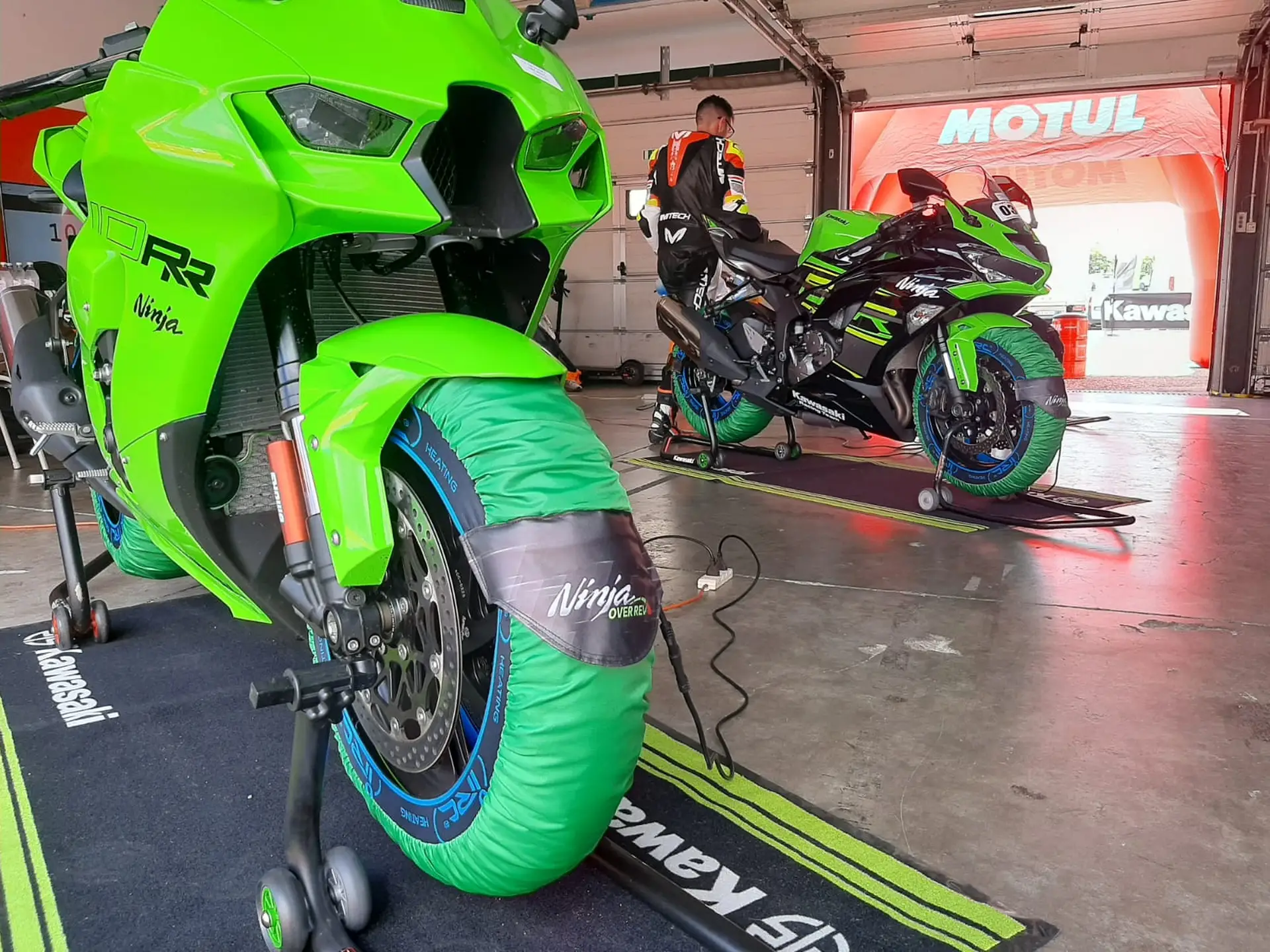
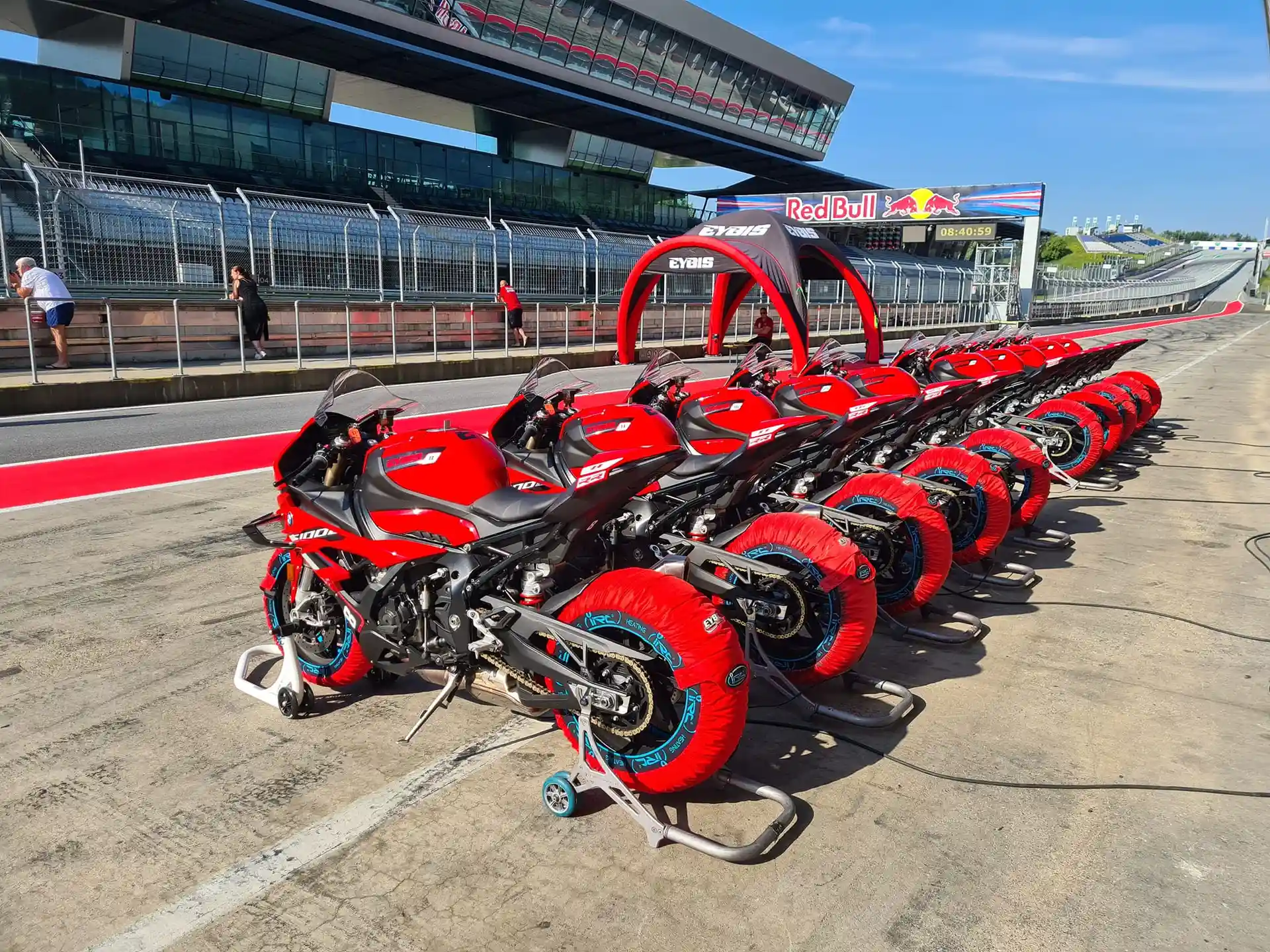
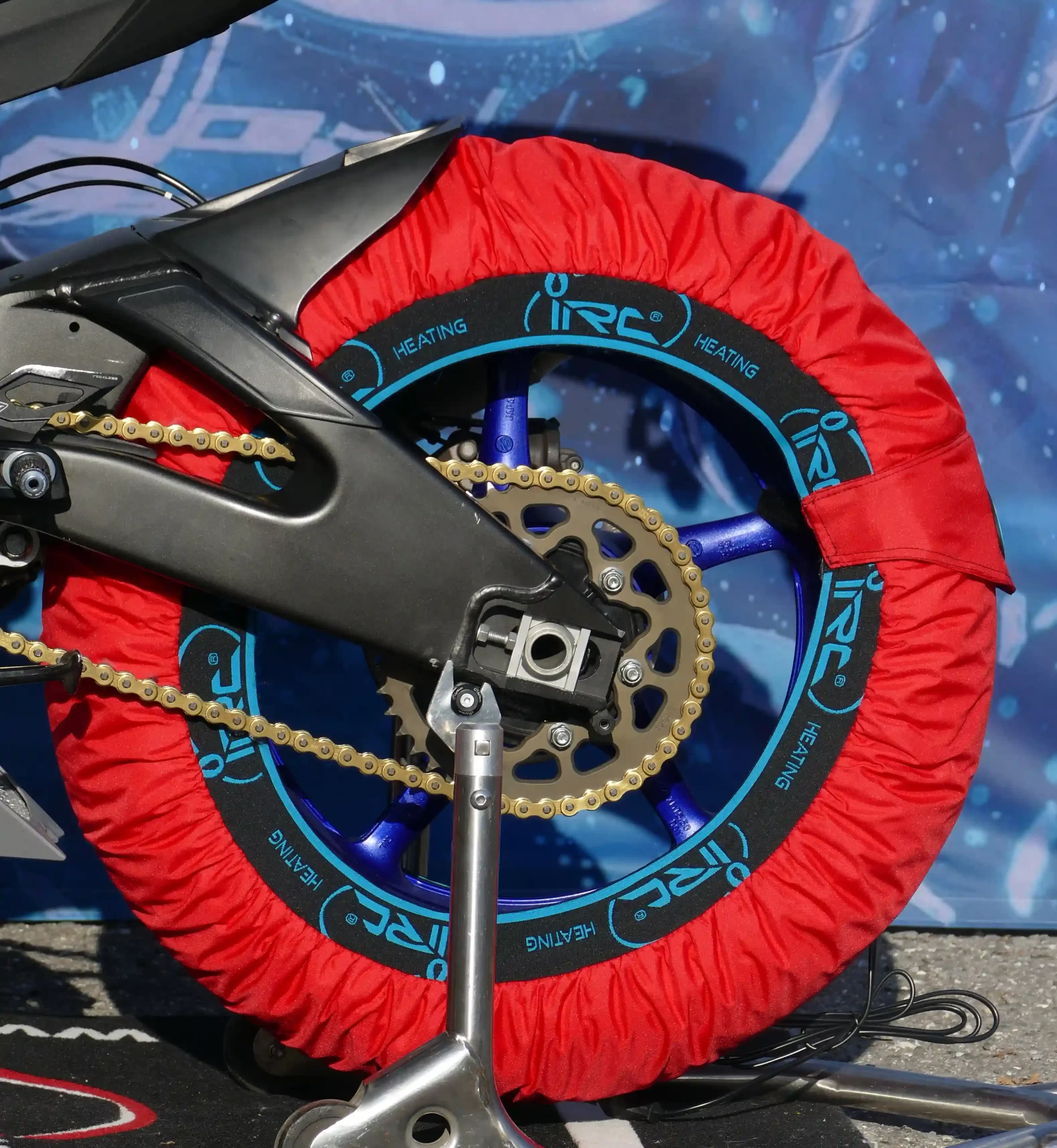
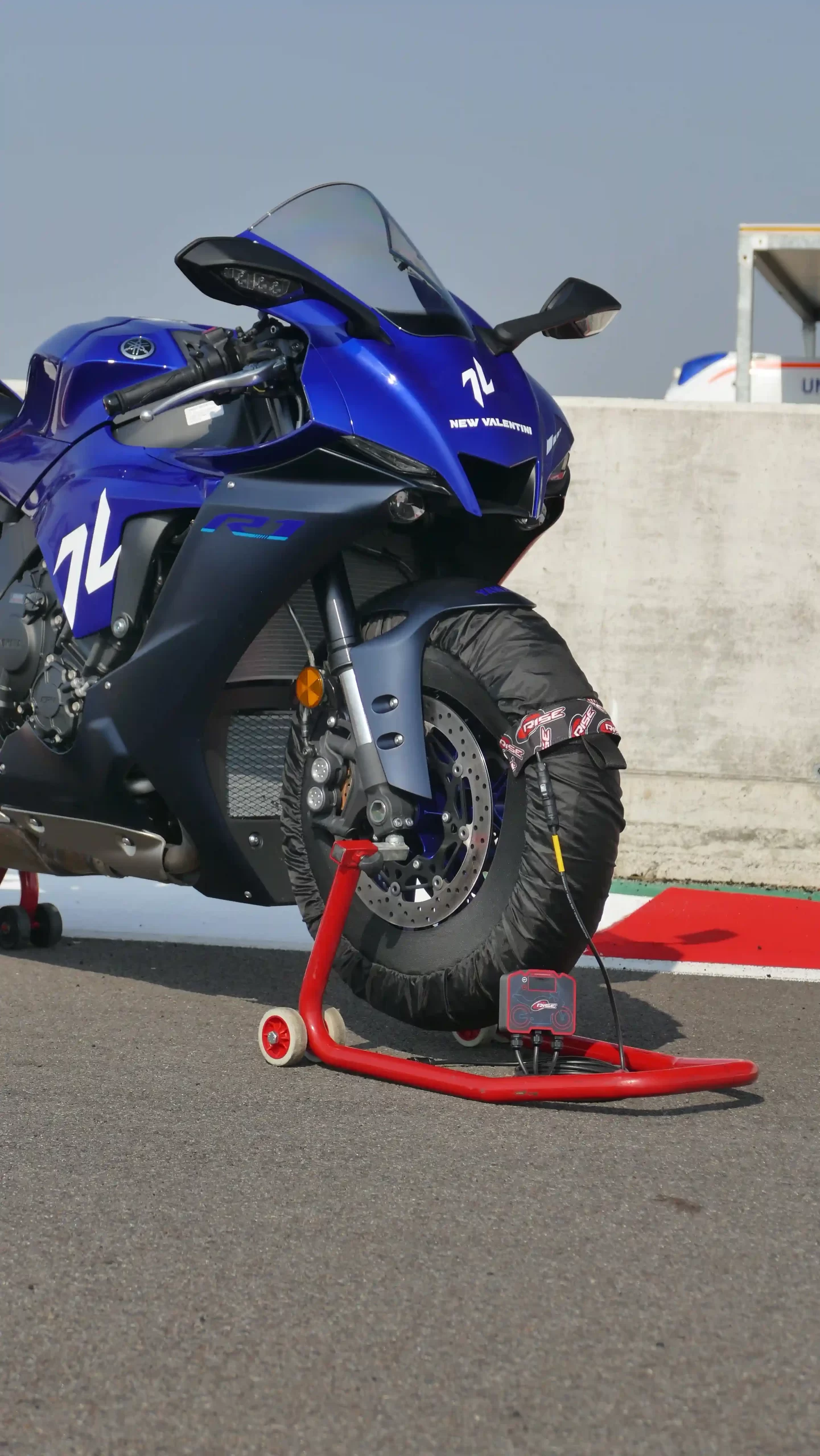
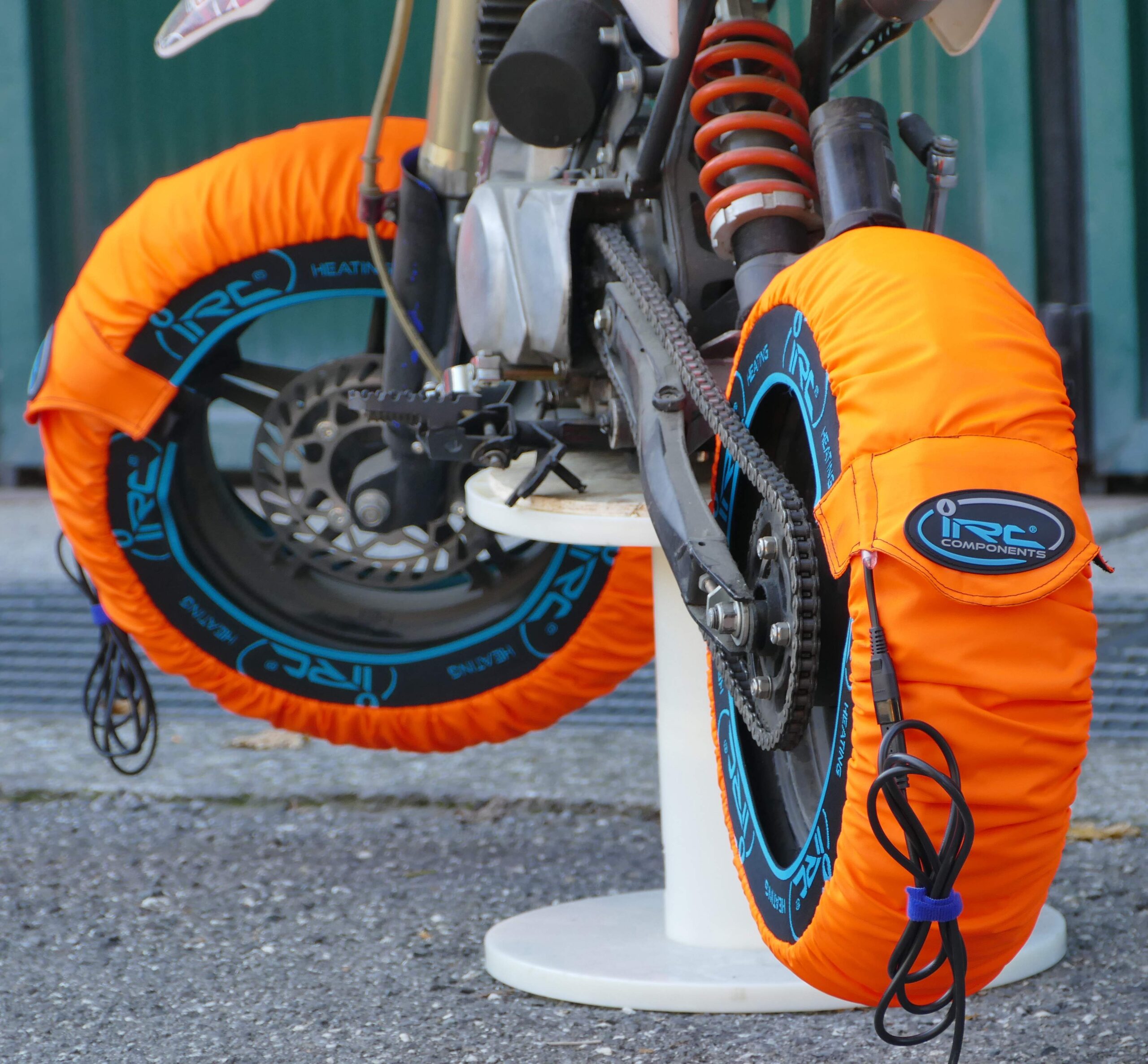
IRC allows you to expressing your style and your personality through the design of thermal blankets without forgetting the performance. Choose from a wide range of colours, prints and patterns.,
and add a personal touch with a custom logo printed before shipping. Every IRC electric blanket is a unique product and customised to reflect your unique identity.











Guide to choosing tyre warmers
| Model | Temperature / Digital | Suitable for | Discover |
|---|---|---|---|
| Integral | Digital Dual Display | Race / Endurance | Discover |
| Team | Digital Dual Display | Race / Endurance | Discover |
| Pilot | Digital | Race / Endurance | Discover |
| Quick | 90°C (100°C / 110°C on request) | Race / Endurance | Discover |
| Grid | 90°C | Track Days | Discover |
| Rise Dig | 60°C • 80°C • 100°C | Advanced Amateurs | Discover |
| Rise | 80°C | Who goes first | Discover |
Each tyre its size
| Size | Front | Rear |
|---|---|---|
| 6.5 | 90/65/6.5 | 110/55/6.5 |
| 10 | 90/90/10 | 100/85/10 |
| 12 | 100/90/12 | 120/80/12 |
| S | 95/70/17 | 115/75/17 |
| M300 | 110/70/17 | 140/70/17 |
| M | 120/70/17 |
160/60/17 165/65/17 170/60/17 |
| L | 120/70/17 |
180/55/17 190/55/17 |
| XL | 120/70/17 |
180/60/17 190/55/17 195/55/17 200/55/17 200/60/17 |
| XXL |
120/70/17 125/70/17 |
200/65/17 200/70/17 200/75/17 |
Designed by those who use them

CUTTING-EDGE TECHNOLOGIES
A deep understanding of the sector and a passion for race bikes, combined with continuous Research and Development,
they allow us to constantly evolve the product. We use the best materials and technologies available on the market.
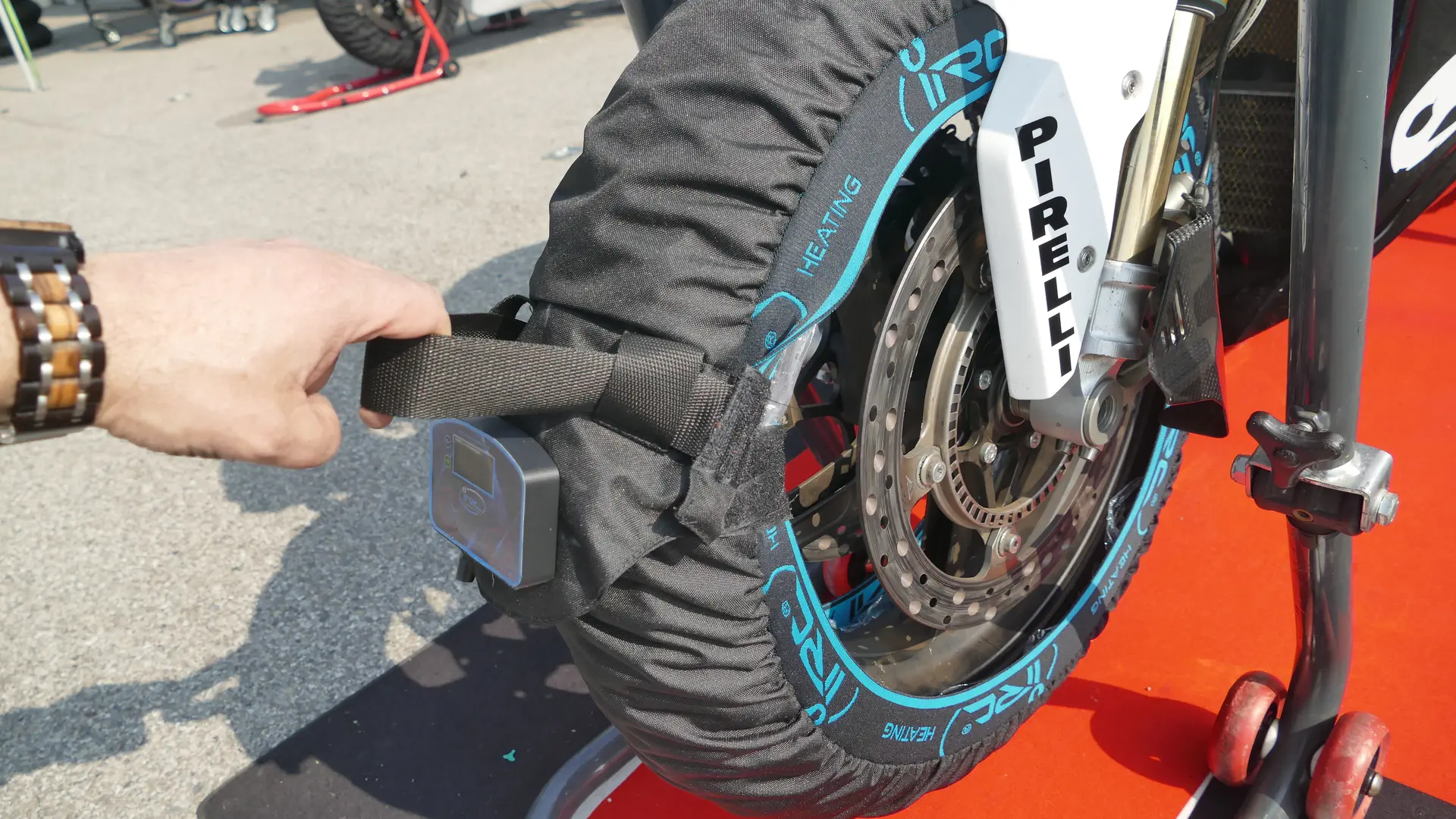
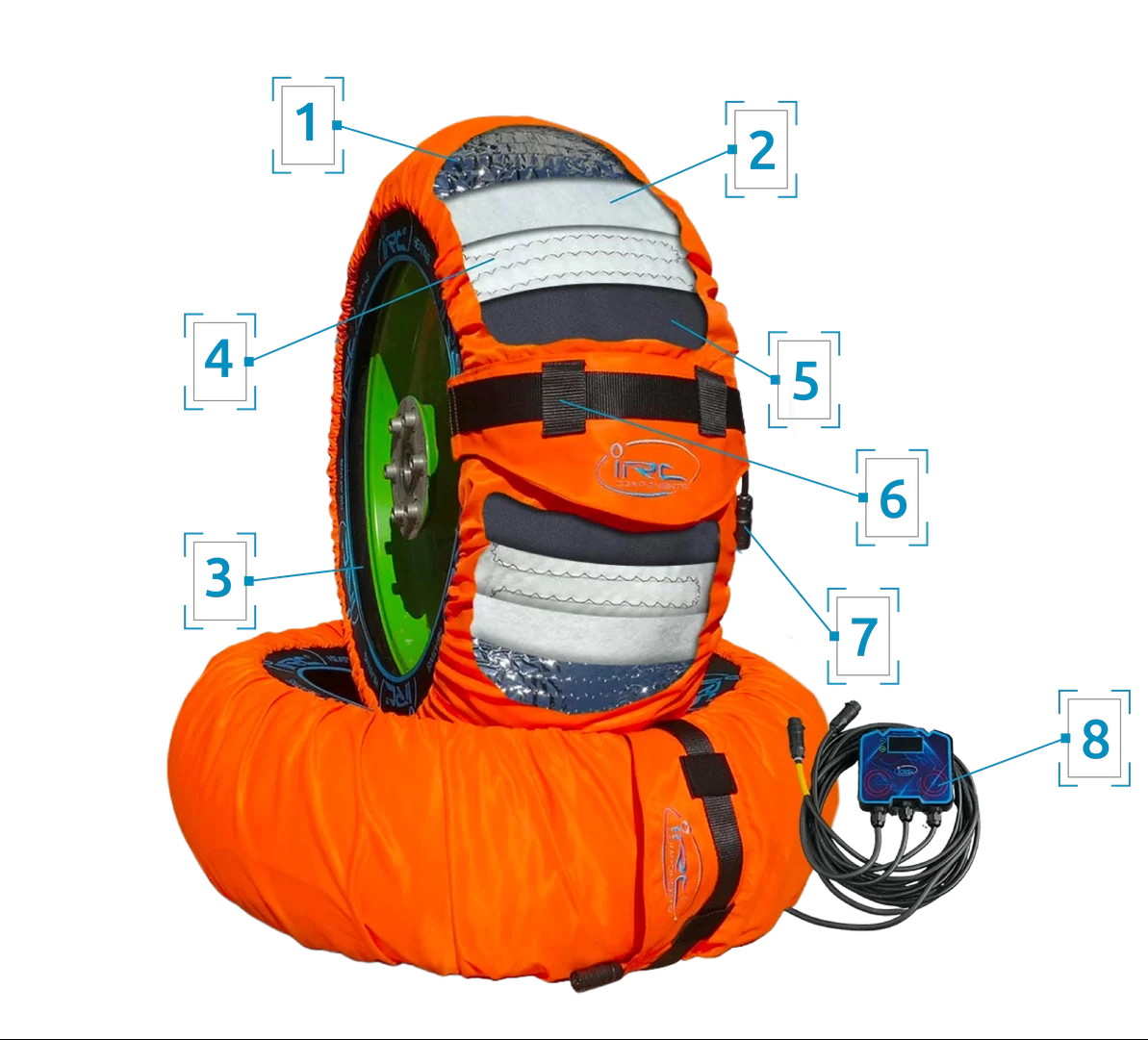
First layer of aluminised wadding
Second layer of aluminised wadding
Rubber-based mini-skirt for greater rim insulation
Heating strip
Tyre contact fabric
Fast Off System
Quick release connector
Multifunctional electronic control unit
IRC tyre warmers warm your tyres ensuring
Italian excellence
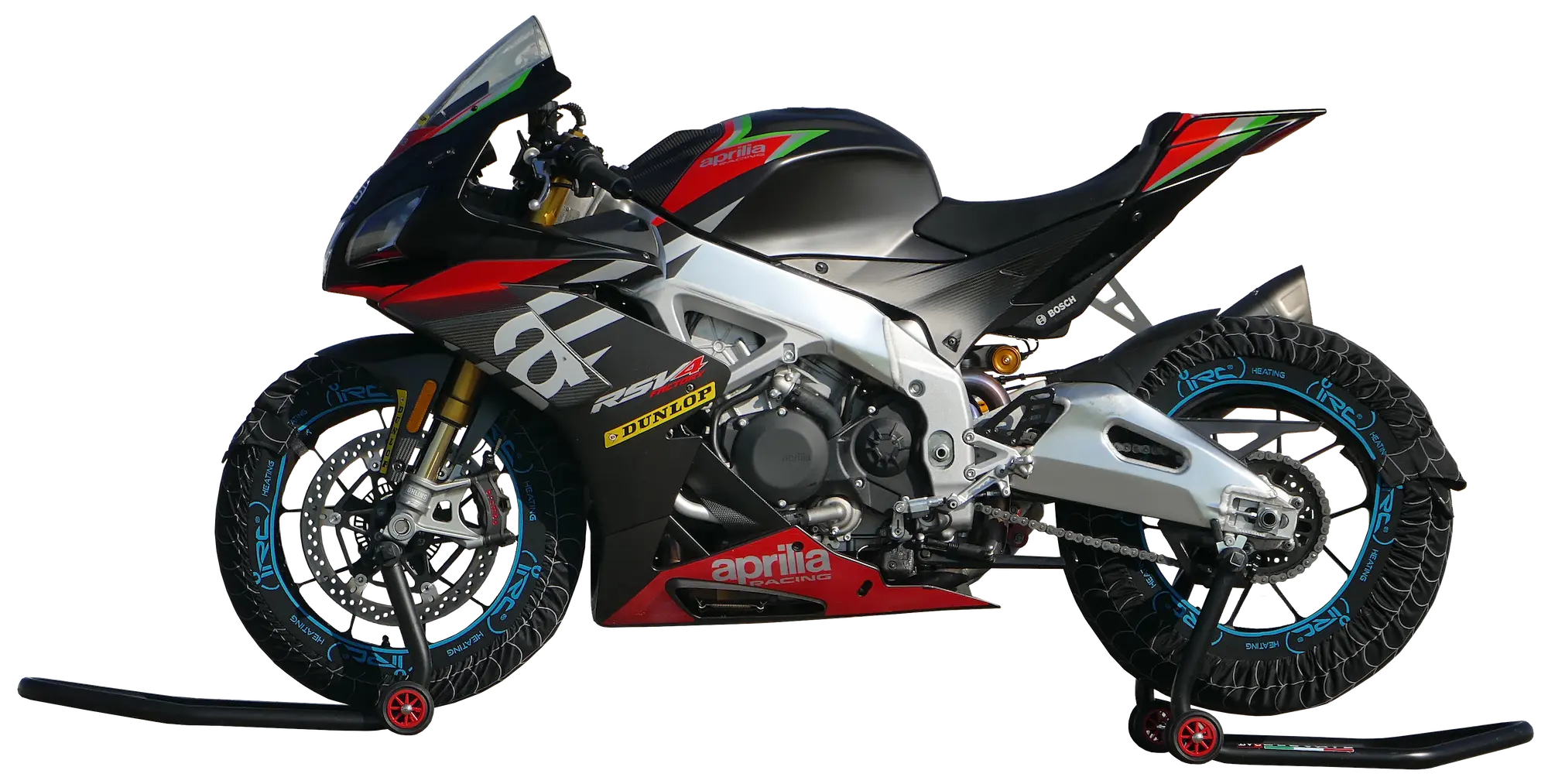
Design and technology. IRC thermal blankets are engineered, tested and produced at our Genoa facility.

A PRODUCT WE KNOW BY HEART
We have been producing heated blankets for several years. We have learned, we have grown with our product which continues to improve, day after day as a result of our expertise and passion. We are quick to meet every need. Producing in-house has its advantages.
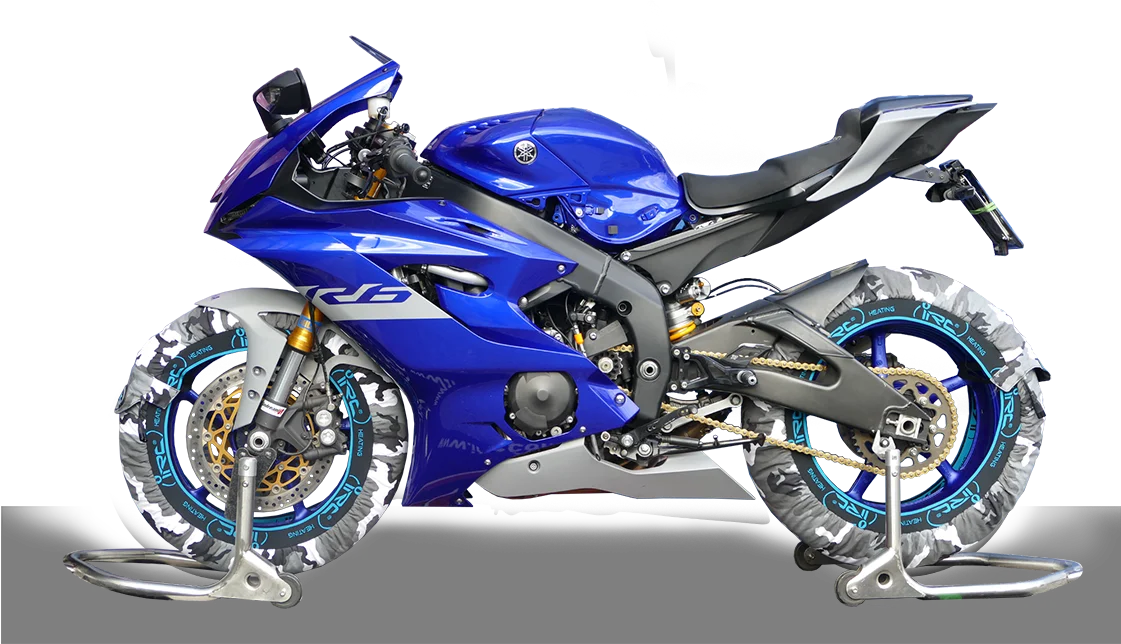

Rim warmer to maximise performance during early laps
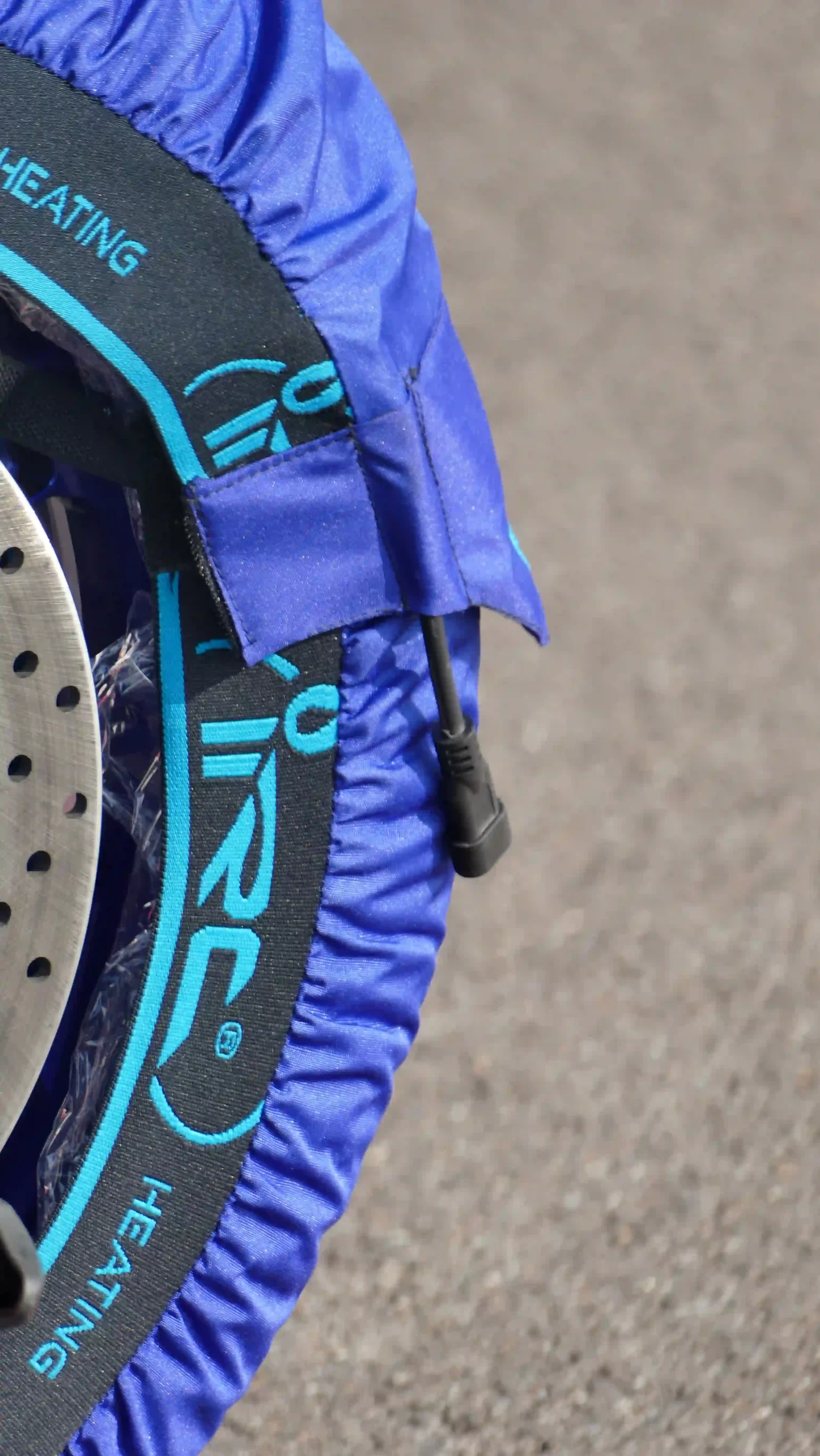
Power cable with quick release
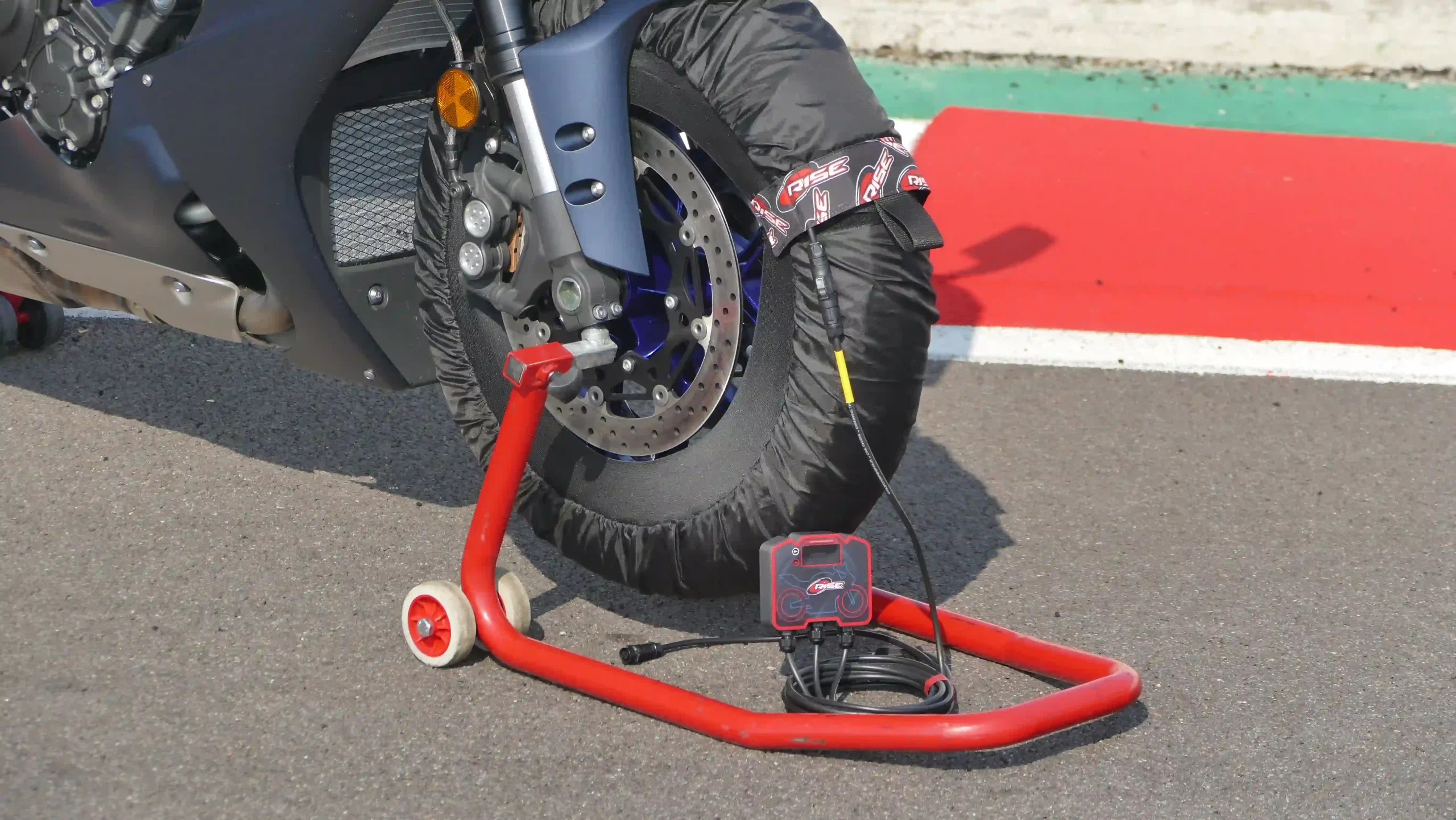
Single control unit with dual temperature monitor for easy control and programming of both thermocouples
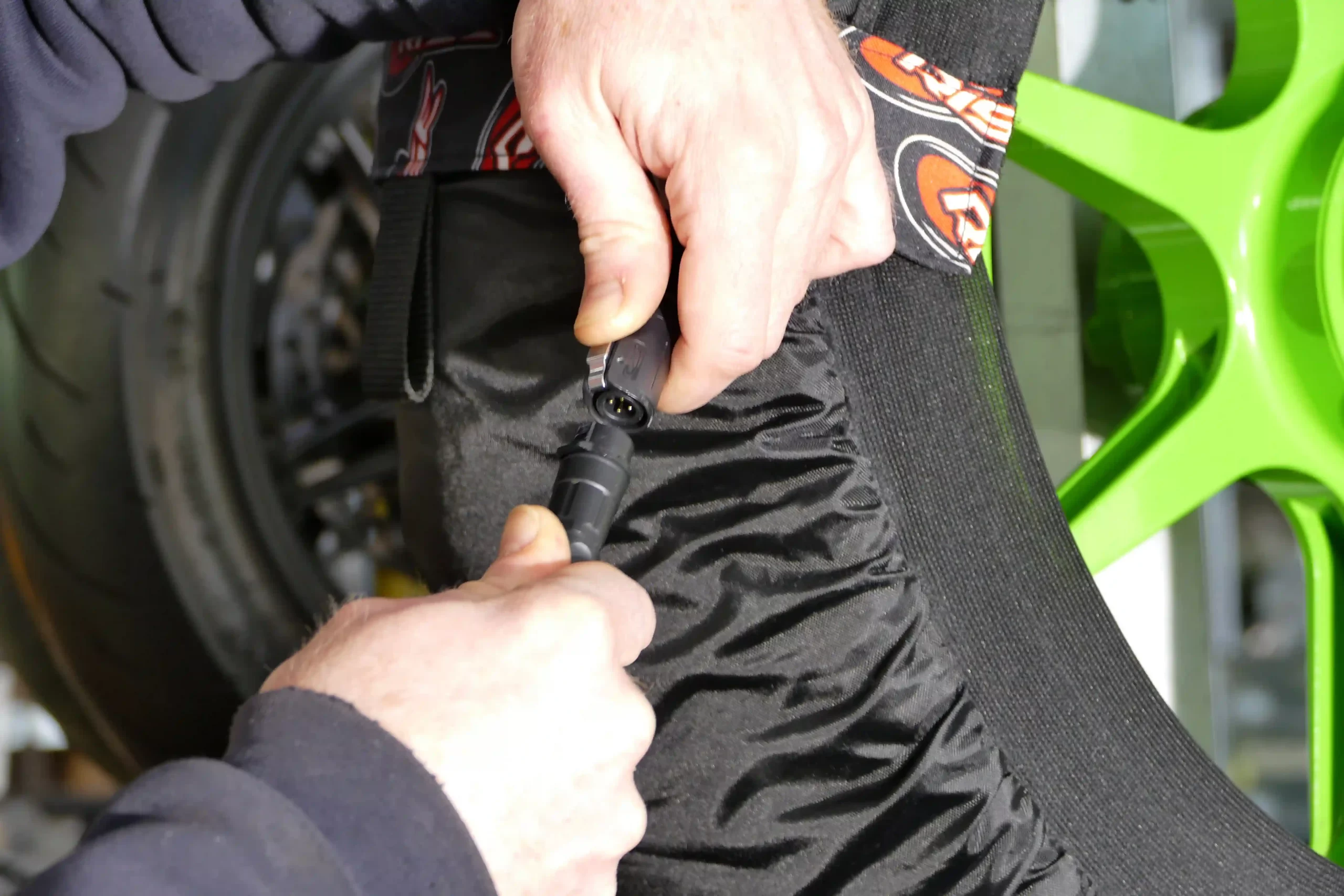
Quick release connector for easier connection
Questions and Answers (even non-trivial ones)
Q: Why use tyre warmers? What are motorcycle tyre warmers used for?
A: Tyre warmers are used to preheat the tyre, internal air and rim to operating temperature before going out on track. In this way, the tyre immediately provides the correct level of grip, the pressure is already stable and the risk of thermal shock—which can compromise performance and lifespan—is reduced.
Q: How far in advance do you need to turn on electric blankets?
A: The time required depends on the power of the tyre warmer, the ambient temperature and the set temperature. For tyre warmers set to around 80 °C, about 60 minutes are normally sufficient. For temperatures of 100-120 °C, it may even take over two hours for the tyre, internal air and rim to reach complete thermal equilibrium.
Q: How do you clean IRC components tyre warmers?
A: Thanks to the choice of high-quality materials, they can be cleaned with brake cleaner or washed by hand in lukewarm water or in a washing machine (no spin cycle). In the case of immersion washing, remember to disconnect any electronic control units.
Q: Can I use IRC components tyre warmers in the rain?
A: Yes, IRC tyre warmers are built with technology that guarantees they will function even if completely immersed in water, with the exception of the electronic control unit which cannot be immersed.
Q: Are tyre warmers only used with racing tyres?
A: No. Even though many road tyres and some modern slick tyres are designed to work without tyre warmers, pre-heating still offers important benefits. The pressure reaches the correct level before entering the track and the behaviour of the motorcycle remains more consistent right from the first metres, improving safety and riding feel.
Q: How long does it take for a tyre to reach the correct pressure without tyre warmers?
A: It depends on the ambient temperature, the tyre type and the riding style. Generally, 3 to 5 laps are required for the pressure, rim and tyre to reach complete thermal equilibrium. During this phase, the pressure can also increase by 0.3-0.6 bar, progressively altering the behaviour of the motorcycle.
Q: Do tyre warmers improve safety?
A: Yes. They allow riders to enter the track with tyres already at the correct operating temperature and pressure, reducing variations during the first few laps. The rider can thus concentrate on riding without having to constantly adapt to changes in the bike's behaviour.
Q: What is the difference between a fixed-temperature electric blanket and one with digital control?
A: A fixed-temperature tyre warmer always operates at the same value, generally between 80 and 90 °C. A digital tyre warmer, on the other hand, allows you to set the most suitable temperature for the tyre (some need to be heated to over 100 °C), ambient conditions, the type of tyre and the manufacturer's instructions. This makes it possible to achieve a more precise and consistent pressure, avoiding both overheating and insufficient preheating. Cold, windy days and stifling heat require different temperatures.
Q: Do tyre warmers increase tyre life?
A: Yes. By avoiding continuous heating and cooling cycles and reducing thermal shocks, the tyre works in more stable conditions and can maintain its characteristics for longer.
Q: Do tyre warmers also heat the rim?
A: Yes, but more slowly than the tyre. A good tyre warmer system is designed to transfer heat to the rim as well, so as to bring the entire wheel assembly to the same temperature and achieve a more stable pressure.
Q: What is the ideal temperature for electric blankets?
A: There is no single valid temperature for all situations. It depends on the type of tyre, the ambient temperature and the manufacturer's instructions. This is why professional tyre warmers allow different temperature levels to be selected.
Q: Why does the pressure change when I leave the pits?
A: As soon as the motorcycle leaves the pit lane, the tyre, rim and internal air begin to exchange heat with the environment and the asphalt. If they have not reached complete thermal equilibrium, the pressure will continue to fluctuate during the opening laps.
Q: Why do they continually check tyre pressure in MotoGP?
A: Why pressure is one of the most important parameters for performance and safety. Even a minimal variation alters the casing deformation, the footprint on the ground and the dynamic behaviour of the bike. This is why TPMS systems are used in MotoGP and the regulations require precise pressure values to be respected.
Q: Can incorrect pressure affect safety?
A: Yes. Every tyre manufacturer defines a precise pressure range within which the tyre guarantees the expected performance. Tyre pressure that is too high or too low alters the contact patch, the flexibility of the carcass, the grip and the stability of the motorcycle, reducing the margin of safety.
Q: Why does the pressure keep increasing even when the tyre already feels warm?
A: Because the tread heats up much more quickly than the air contained within the tyre and the wheel rim. Only when all of these elements reach the same thermal equilibrium does the pressure finally stabilise.
Q: If modern tyres work even without tyre warmers, why do many drivers continue to use them?
A: Because the main advantage of tyre warmers is not just getting more grip on the first lap, but ensuring that the tyre, rim and internal air are already in thermal equilibrium before hitting the track. This means more stable pressure, more predictable motorcycle behaviour and greater safety right from the first corner.